When it comes to straightening teeth, patients often ask about the difference between braces and Invisalign. Both options are effective for correcting misaligned teeth, but they have distinct advantages, treatment processes, and suitability. Choosing the right option depends on lifestyle, dental needs, and personal preferences. For those seeking professional guidance, a trusted dental clinic Vancouver can provide a detailed evaluation.
Understanding Braces
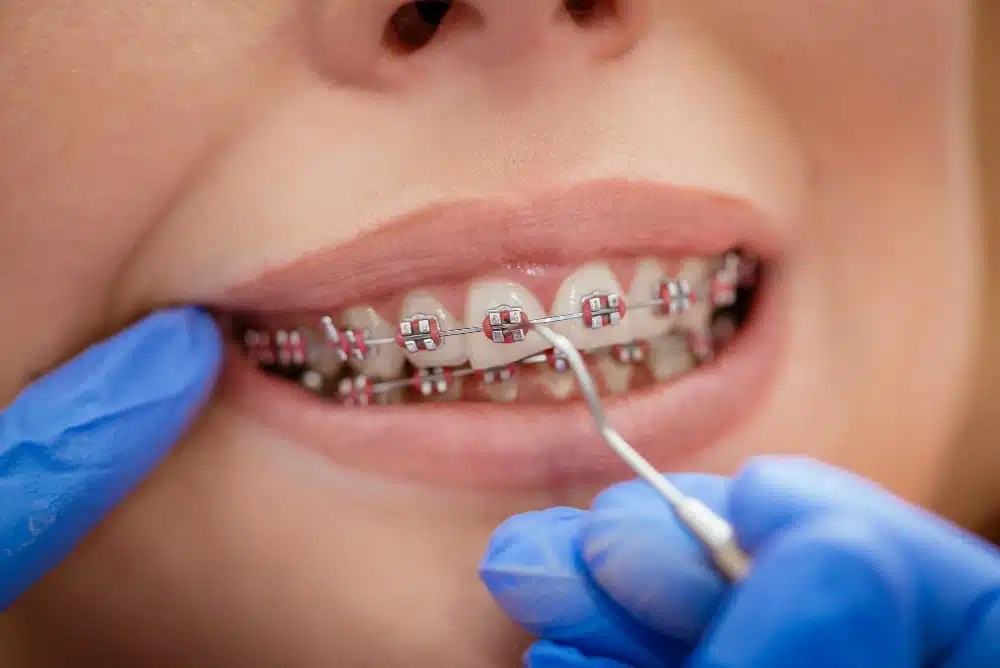
Braces are the traditional method of orthodontic treatment. They consist of metal brackets, wires, and sometimes rubber bands that gradually move teeth into the desired position. Braces are highly effective for complex dental issues, such as severe crowding, overbites, underbites, and crossbites.
Advantages of Braces
- Highly effective: Braces work for almost all types of dental misalignments.
- Durable: They are strong and cannot be removed by the patient, ensuring consistent treatment.
- Predictable outcomes: Orthodontists can precisely control tooth movement.
Disadvantages of Braces
- Appearance: Metal braces are noticeable, which may concern some adults.
- Discomfort: Brackets and wires can cause irritation to the cheeks and gums.
- Oral hygiene challenges: Brushing and flossing require extra effort to prevent cavities or gum issues.
| Feature | Braces |
|---|---|
| Visibility | High (metal or ceramic) |
| Removable | No |
| Treatment Complexity | Can handle severe cases |
| Comfort Level | Moderate to low |
| Oral Hygiene | Requires extra care |
Understanding Invisalign
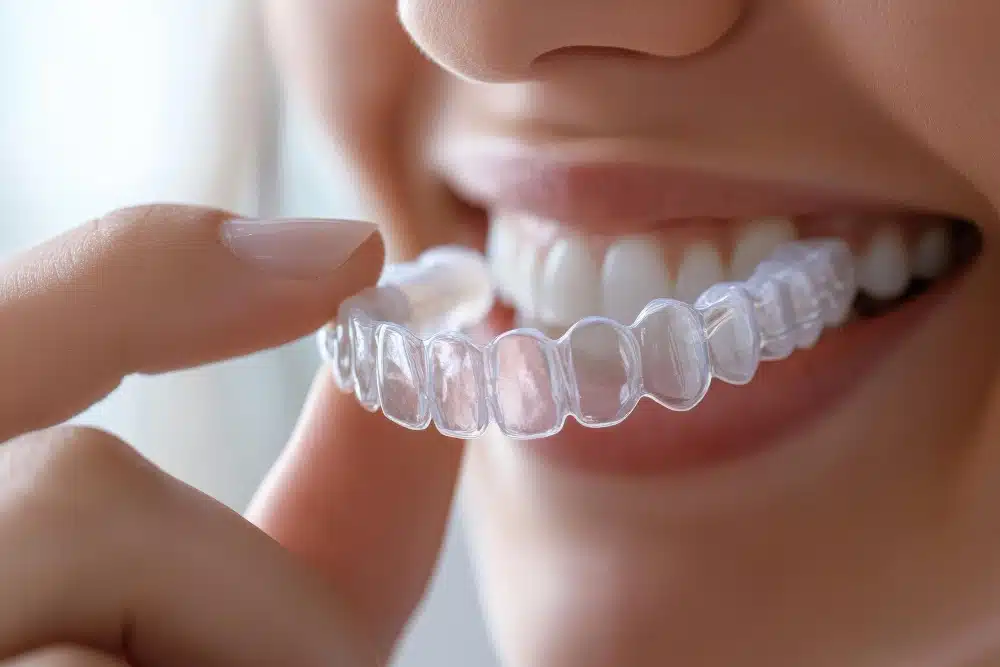
Invisalign uses clear, removable aligners to gradually shift teeth into place. These aligners are custom-made using 3D imaging technology and are changed every 1–2 weeks to continue tooth movement. For patients interested in discreet treatment, Invisalign East Vancouver offers professional Invisalign services.
Advantages of Invisalign
- Almost invisible: Clear aligners are discreet and often unnoticeable.
- Removable: You can take them out while eating or brushing, making oral hygiene easier.
- Comfortable: Smooth plastic reduces irritation compared to metal brackets.
Disadvantages of Invisalign
- Limited effectiveness for complex cases: Severe misalignments may still require braces.
- Discipline required: Aligners must be worn 20–22 hours daily.
- Replacement costs: Lost or damaged aligners can increase treatment expenses.
| Feature | Invisalign |
|---|---|
| Visibility | Low (clear aligners) |
| Removable | Yes |
| Treatment Complexity | Mild to moderate cases |
| Comfort Level | High |
| Oral Hygiene | Easier than braces |
Key Differences Between Braces and Invisalign
Understanding the difference between braces and Invisalign helps patients make informed decisions. Below is a comparison for easier understanding:
| Aspect | Braces | Invisalign |
|---|---|---|
| Appearance | Highly visible | Almost invisible |
| Removability | Fixed | Removable |
| Suitable Cases | Mild to severe | Mild to moderate |
| Comfort | Moderate discomfort | Generally comfortable |
| Treatment Duration | 18–36 months | 12–24 months |
| Maintenance | More difficult | Easier |
Choosing the Right Option
When deciding between braces and Invisalign, it is important to consider the difference between braces and Invisalign in terms of comfort, visibility, and treatment duration. Braces are ideal for severe dental corrections, while Invisalign is preferred for discreet, comfortable treatment. Consulting with an experienced orthodontist at a reputable dental clinic Vancouver ensures the best outcome for your smile.
Both treatments require commitment and follow-up visits to ensure optimal results. Patients should consider their daily routine, aesthetic concerns, and budget before deciding. Understanding the difference between braces and Invisalign allows patients to choose the treatment that fits their lifestyle while achieving a healthy, aligned smile.